How to Restyle the Same Two Pieces for a Second and Third Date

Quick Answer: People remember silhouette, colour, and one distinctive detail - they do not remember individual garments. So change the shape and the focal point, and the same two base pieces read as a new outfit. Swap the third layer, change the shoe height, move the emphasis from waist to shoulder, and change one accessory that photographs. Three date outfits from two base pieces is realistic; five is achievable if one of your swaps is a strong outer layer.
The leggings and the top work. They fit, they are comfortable, you feel good in them. And now you are staring at them wondering whether wearing them again is allowed.
It is - as long as the outfit around them changes.
What do people actually remember about an outfit?
Silhouette first. The overall shape - fitted top with a fitted bottom, or something oversized on top - is what registers from across a room and what stays in memory. Change the silhouette and you have changed the outfit as far as anyone else is concerned.
Colour blocks second. People remember mostly dark with a bright accent, or all one tone. They do not remember which specific black top produced the dark half.
One distinctive detail third. A statement jacket, a bag, a bold shoe, a piece of jewellery. This is the thing that gets described later, and it is the cheapest element to swap.
Almost nobody remembers base layers. Plain leggings, a fitted black top, a simple bodysuit - these read as background. They are the most repeatable items you own precisely because they are unremarkable individually.
Photographs are the exception. If your dates end up on a camera roll that gets scrolled, the base pieces are visible in a way they are not in memory, which is worth knowing if photos are likely.
Which gives you a clear strategy. Keep the base constant, change the silhouette and the focal point. That is where the wardrobe economics live.
Three restyles from the same two pieces
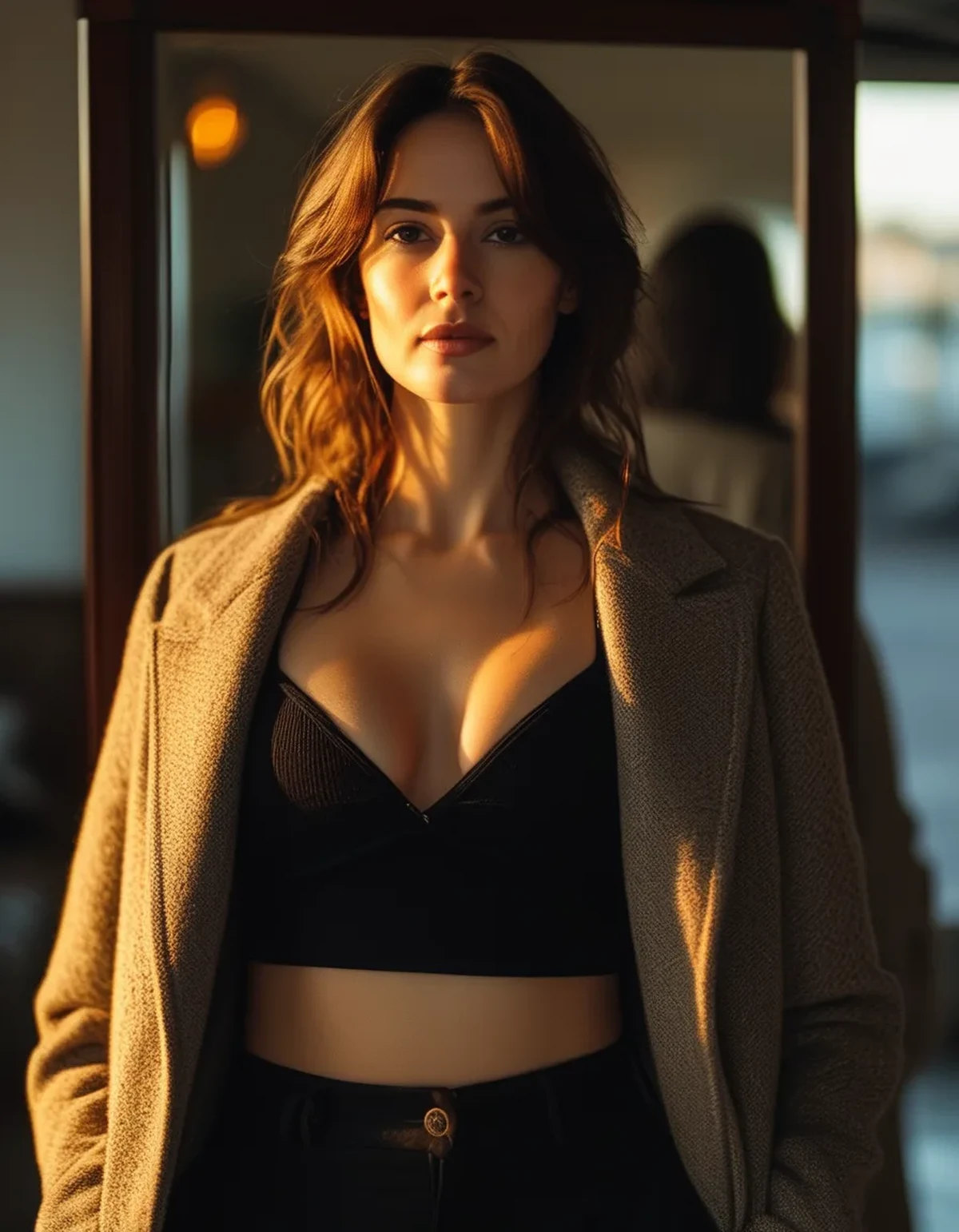
Restyle one: the long layer. Base pieces plus a long open coat or duster, ankle boots, and a small crossbody. The vertical line of the long layer dominates the silhouette entirely, and the outfit reads as tailored rather than athletic.
Restyle two: the cropped structure. Same base, but with a structured cropped jacket - denim, leather, or a boxy blazer - plus a trainer or a flat mule. The shorter jacket moves the visual break upward and creates a completely different proportion from restyle one.
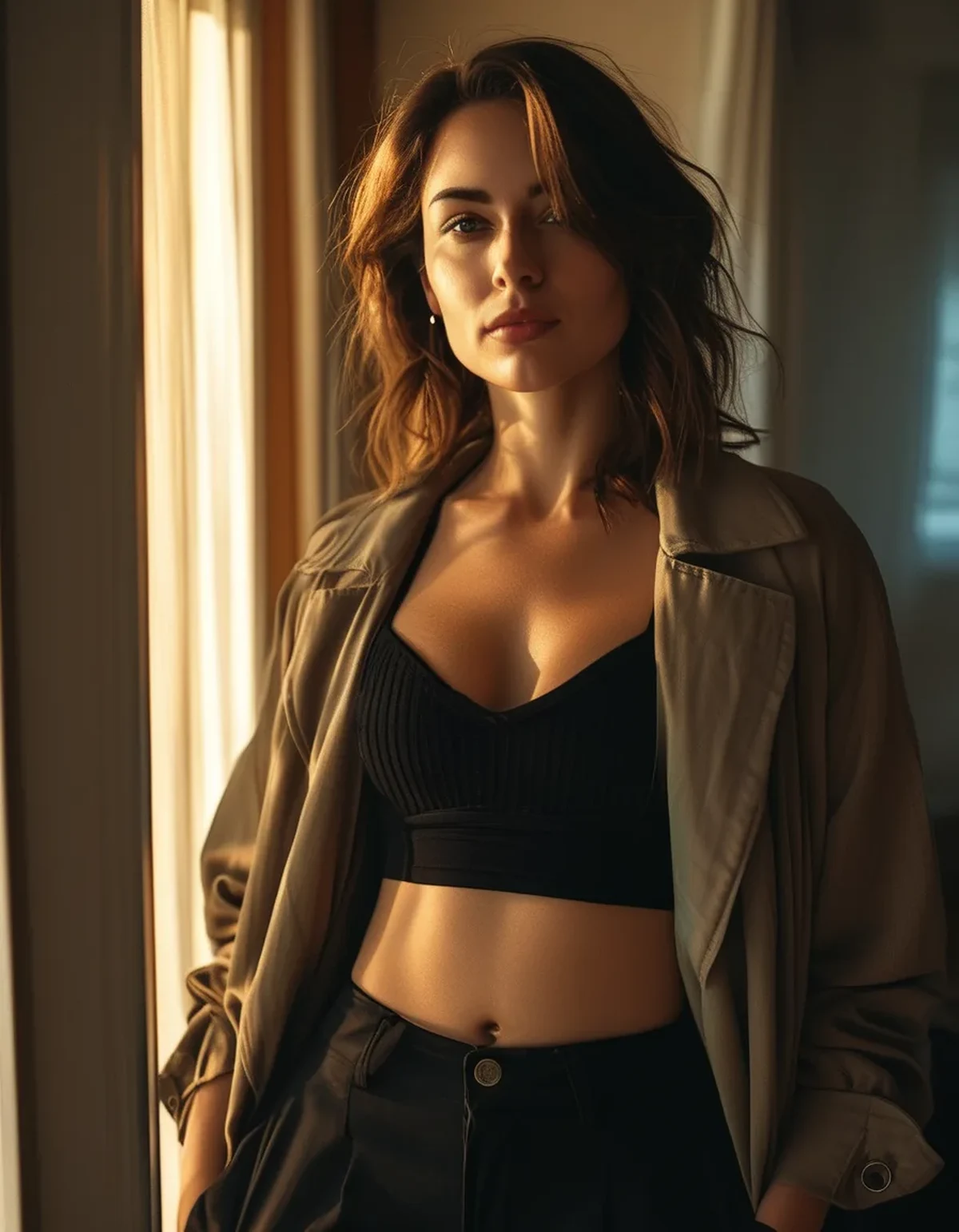
Restyle three: the tonal build. No jacket. Instead, a knit or shirt tied at the waist or draped over the shoulders in a tone close to the base, plus a heeled boot and one strong piece of jewellery. This reads dressed rather than layered, and it works best when the evening is warm.
Each swap changes the two things that matter. Silhouette changes with the layer length. The focal point changes with the shoe and the one accessory. The base is doing identical work in all three.
Rotate the order across dates. The long layer and the cropped structure are the most visually different pair, so put those on consecutive dates and save the tonal build for third.
And keep one detail consistent on purpose. A signature earring or bag that appears every time reads as personal style rather than repetition, which is a different thing entirely.
What actually gives away a repeated outfit?
A distinctive pattern or print. Anything with a recognisable print is a once-per-person garment for a while. Solid colours are effectively invisible; a bold print is a signature.
Unusual colours. A rust or emerald piece is remembered. A black, navy, or charcoal one is not.
Visible logos and hardware. Contrast branding, distinctive zips, and unusual hardware are exactly the details that stick, which is why unmarked basics are the better base.
Identical shoes with identical everything. Shoes are more memorable than most people assume, and repeating shoes plus silhouette plus colour is what makes the whole outfit read as a repeat.
Fabric with a specific sheen. A high-shine or heavily textured piece registers as a distinct item in a way that matte fabric does not.
And the same bag every time in the same position. Ironically this can work in your favour as a signature - just decide deliberately whether it is a signature or an oversight.
How do you build a base worth repeating?
Buy the base pieces in matte, solid, unbranded versions. The less distinctive the item, the more times it can appear. This is the opposite of how most people shop, and it is why most wardrobes produce fewer outfits than their size suggests.
Choose one dark neutral and stay in it. Black, charcoal, or navy throughout the base means every third layer and every shoe you own is a candidate. Mixing base neutrals halves your combinations.
Spend the money on the third layer. The jacket or coat is the piece that changes the silhouette, gets remembered, and does the most visible work. It is where a budget goes furthest.
Own shoes at two different heights. A flat and something with height are functionally two different outfits with the same clothes, because they change proportion and posture.
Keep the accessories small and few. One bag that works with everything and two pieces of jewellery beat a drawer of options you never reach for.
And test the transitions before the evening. Late August specifically means a warm walk and a cool patio, so whatever your third layer is, it needs to be carryable as well as wearable.
FAQ: Repeating Date Outfits, Answered
Is it fine to wear the same outfit on a second date?
Yes, particularly if the base pieces are plain and dark. Change the layer, the shoe, and one accessory, and the silhouette and focal point are different enough that it reads as a new outfit.
What makes an outfit memorable?
Silhouette, colour blocking, and one distinctive detail. Individual plain garments are rarely remembered - which is why unbranded solid basics are the most repeatable things you can own.
How many outfits can I get from two base pieces?
Three comfortably, five if one of your swaps is a strong outer layer and you have shoes at two different heights. The layer length is the biggest single lever.
What should I avoid repeating?
Prints, unusual colours, visible logos, high-shine fabrics, and distinctive shoes - these are the elements that register as a specific item rather than as background.
TL;DR:
- People remember silhouette, colour block, and one detail - not individual plain garments.
- Keep a plain dark base constant and change the third layer, the shoe height, and one accessory.
- Long open layer, cropped structured jacket, and a tonal no-jacket build give you three genuinely different outfits from the same two pieces.
- Prints, unusual colours, logos, and high-shine fabrics are what actually give away a repeat - matte solids are effectively invisible.
- Spend your budget on the outer layer, own shoes at two heights, and make sure the layer is carryable for a warm walk and a cool patio.
The outfit that works is not used up. It is a base, and bases are supposed to repeat.
See It in Motion
Seen here: Super High Waist Embossed Yoga Leggings with Inner Pocket — shop it on bubblelime.com
Keep Reading
This article is for general informational and styling purposes only. Fit, sizing, and product availability may vary.